Book 2 · Attention Is the New Oil
III. The Practice of Attention
Chapter 11 Boredom Is a Load-Bearing Wall
Sources and notes for this chapter, numbered as in the text and in Appendix A.
- 90 Quote (part III anchor): "it is in thy power whenever thou shalt choose to retire into thyself. For nowhere either with more quiet or more freedom from trouble does a man retire than into his own soul." (sentence 2 ends with ',' in source — quoted as complete clause, period added at clause end); preceding paraphrase: people seek retreats — houses in the country, seashore, mountains — and he longs for them too; dating (ch11): a private notebook of a Roman emperor, written during his reign (161–180 AD), ~seventeen centuries before the 19th-c. Danish satire Marcus Aurelius, Meditations IV.3, tr. George Long (1862, PD); two transcriptions agree: classics.mit.edu/Antoninus/meditations.4.four.html (opens in a new tab), lexundria.com (opens in a new tab) m_aur_med/4.3/lg. PLAN WORDING «Nowhere can a man find a quieter or more untroubled retreat…» is NOT Long (cf. B2-d1)
- 91 Quote fragment: "a desire for desires" (Vronsky's ennui in Italy) — Tolstoy, Anna Karenina, Part 5 ch. 8 tr. Constance Garnett (1901, PD-US); two transcriptions agree: marxists.org/archive/tolstoy/1877/anna-karenina/part-5-chapter-8.html (opens in a new tab); americanliterature.com (opens in a new tab)
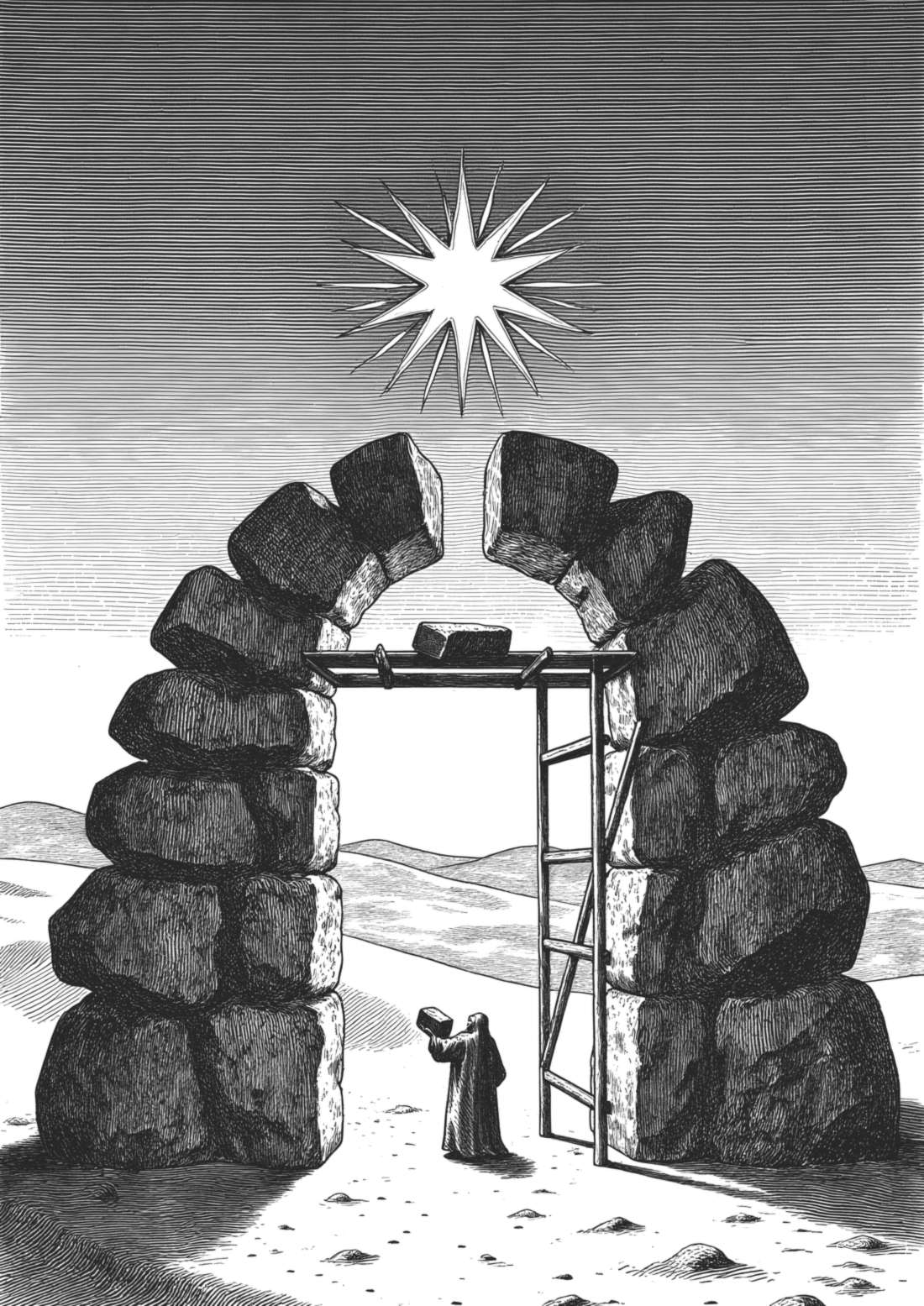
- 92 Kierkegaard, Either/Or (1843, pseudonymous), essay 'The Rotation of Crops': boredom the root of all evil; mock genealogy (gods bored → man; Adam → Eve; tower/Babel); bad rotation (changing fields: city, abroad, luxuries) vs good (same field, change method); principle of limitation → inventiveness; prisoner in solitary confinement for life and the spider; the sweating lecturer — ALL PARAPHRASE (author unnamed: 'a Danish philosopher') Kierkegaard, Either/Or I, 'Rotation of Crops' (PDF sorenkierkegaard.nl); Eng. tr. Swenson 1944 / Hong 1987 not PD
- 93 Boredom as an aversive signal of being cognitively unengaged that pushes toward more engaging activity, compared to pain; trait boredom = chronic failure to respond successfully to the state; trait boredom correlates with depression, anxiety, anger/aggression, impulsivity, problem gambling, lower meaning (mostly correlational) — researchers unnamed Danckert, Mugon, Struk & Eastwood, 'Boredom: What is it good for?' in H. C. Lench (ed.), The Function of Emotions (Springer, 2018), 93–119
- 94 Advertising screens placed in idle intervals: taxi back seats, gas pumps, elevators, checkouts (generic, no brands) Public, widely documented out-of-home ad formats (e.g., gas-station and taxi-top/back-seat TV networks)